Bed Bug Services - Truths
Table of ContentsSome Ideas on Bed Bug Services You Should KnowThe Definitive Guide to Bed Bug ServicesThe Buzz on Bed Bug Services5 Simple Techniques For Bed Bug Services
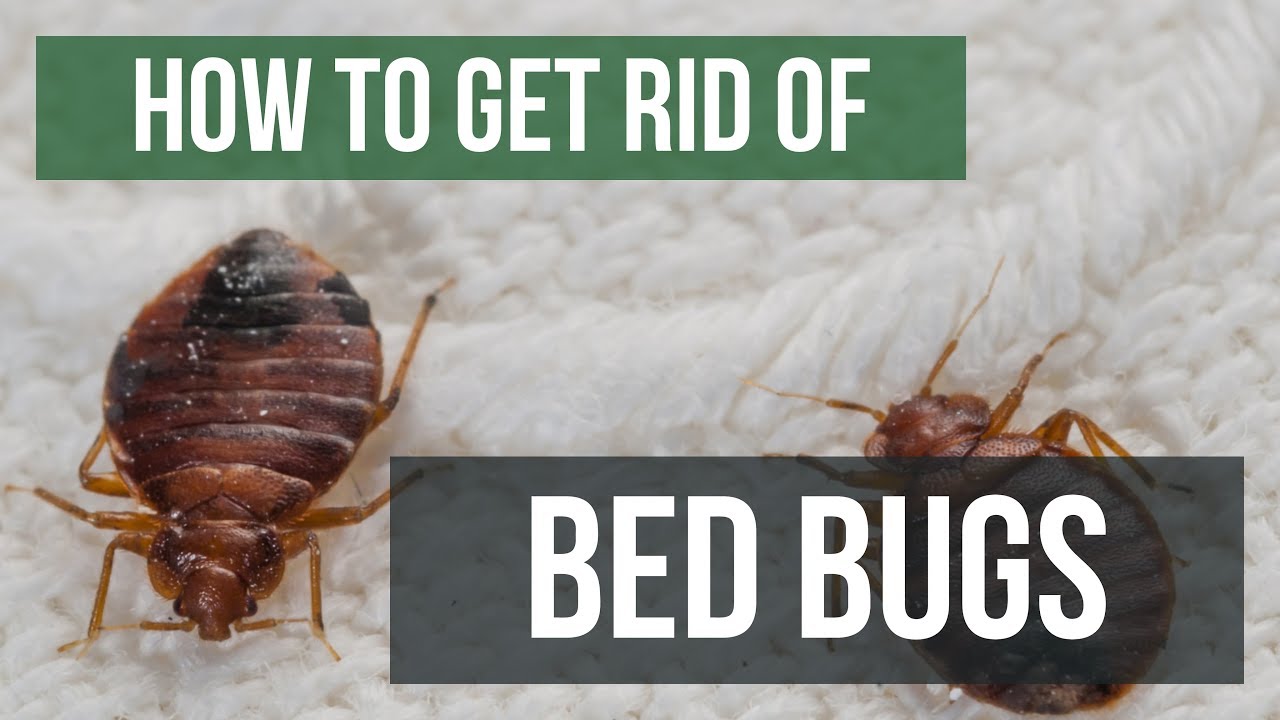
An expert-conducted bed bug inspection is far more detailed than a casual glance and relies on expertise. Bed bugs are small, elusive, and adept at hiding that hide in narrow spaces, corners, and upholstery. Because of their hidden habits, a thorough inspection is essential to determine the presence and extent of an infestation. Professional inspectors rely on specialized equipment, systematic procedures, and experience to identify infestations early, reducing the risk of escalation.The first step in the inspection process involves understanding bed bug biology and behavior. Bed bugs belong to the Cimicidae family and undergo a life cycle that includes eggs, nymph stages, and adulthood. Adults are around five millimeters long, flat, reddish-brown, and wingless with slender legs and antennae. Their segmented proboscis allows them to pierce the skin and feed on blood, resulting in clusters of itchy bites. Knowing these traits helps inspectors anticipate hiding spots.
Early detection is critical for preventing large infestations. Professionals look for specific indicators such as fresh droppings that resemble small ink dots, old stains, shed skins, eggs, or eggshells (Bed Bug Services). A single female can lay hundreds of eggs, leading to rapid infestations if unchecked. Evidence of molted skins or eggshells indicates active infestation and requires prompt inspection
Preparing for an inspection involves careful organization. Inspectors often recommend clearing clutter from treatment areas, which facilitates examination of hard-to-reach areas. Bedding and linens may be treated with heat before inspection, and then secured until the inspection is complete. Wall decor, mirrors, and pictures may need to be removed to check hiding places. Vacuuming furniture and floors may capture visible bugs and eggs, and vacuum bags should be discarded carefully to avoid spreading.
Fascination About Bed Bug Services
The inspection itself is methodical and detailed. Inspectors start with beds and adjacent furniture, paying attention to edges, seams, and potential hiding spots. Upholstered furniture, including seating furniture, is scrutinized to reveal any hidden pests. Baseboards, moldings, the edges of wall-to-wall carpeting, electrical outlets, closets, and storage areas are also included in the inspection, as these can be common harborage sites.
Specialized tools improve inspection effectiveness. Flashlights, magnifying lenses, multi-tools, and mirrors provide visibility in crevices and corners. Monitoring devices like interceptor traps or sticky pads allow ongoing monitoring of pest activity. Some companies use detection dogs, which can locate live bed bugs quickly, distinguishing them from non-active traces.
.png?r=RGXqEV3/M/U=)

Meticulous documentation plays a critical role. Inspectors record the locations of evidence, severity of infestation, and treatment recommendations. This supports transparency and facilitates discussion with residents. Residents are often advised not to remove blood-stained sheets or vacuum infested areas, as this prevents loss go now of critical information.
After inspection, a monitoring plan may be put in place to verify infestations and observe trends. Continuous monitoring detects reinfestation, and asking residents about bites and sightings supplements physical inspection. Cooperation from residents supports the inspection process.
The 9-Second Trick For Bed Bug Services
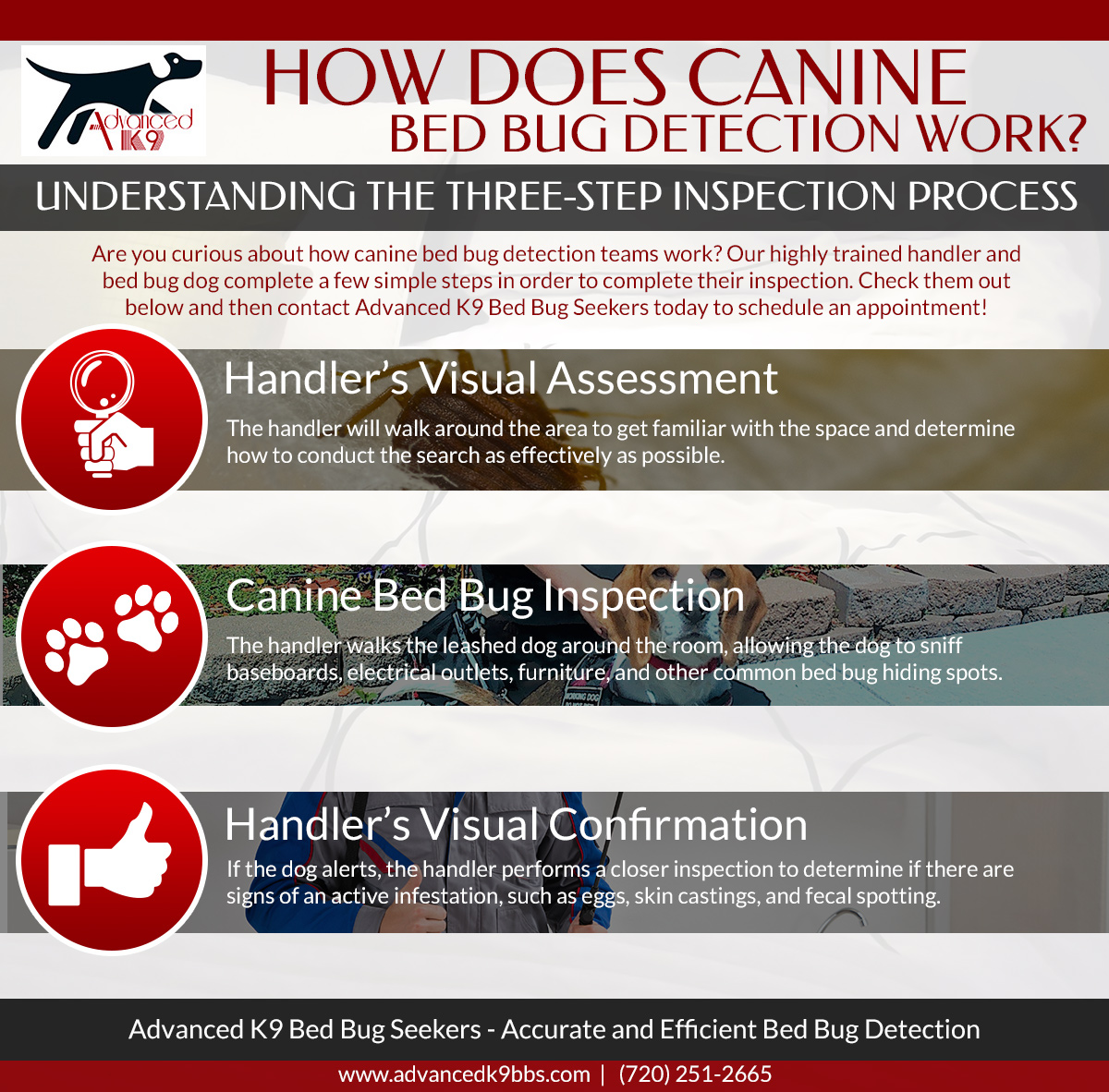
Professional inspections are more reliable than self-inspections. Trained inspectors know what to look for and where, avoid unnecessary treatments, and confirm the situation accurately.
Bed bug inspections are particularly important in places where infestations spread easily. Inspectors examine adjacent units, common areas, and shared furniture to ensure the infestation is fully mapped (Bed Bug Services). This prevents escalation and reduces treatment costs
In summary, a professional bed bug inspection includes identifying the pest, readying the environment, inspecting meticulously, employing tools, maintaining records, and ongoing monitoring. Each step supports early detection, informs treatment, and reduces learn the facts here now future risk.
Bed Bug Services Fundamentals Explained